


https://www.facebook.com/share/p/1CnpADFmXJ/
_______________________________________________________________________
Gibran Torres
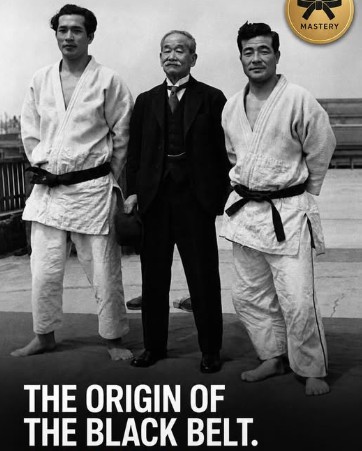
En los inicios del judo, no existían los cinturones de colores. Solo estaba el gi blanco y el espíritu del practicante. Fue Jigoro Kano quien revolucionó el mundo de las artes marciales al introducir el sistema de cinturones para mostrar el progreso y el rango. Pero el cinturón negro no era solo una recompensa; era un símbolo de un nuevo comienzo. En el Kodokan, un cinturón negro significa que finalmente has dominado los fundamentos y estás listo para comenzar tu verdadero viaje hacia las profundidades de este arte.
El cinturón negro conlleva una gran responsabilidad. Representa la transición de un estudiante que recibe a un practicante que también debe preservar y proteger los valores del judo. Es un recordatorio de que cuanto mayor sea tu rango, más humilde debes ser. Un verdadero cinturón negro no se lleva en la cintura, sino en la forma en que te comportas dentro y fuera del tatami. Es un compromiso de por vida con la búsqueda de la excelencia y el servicio a los demás.
“El cinturón negro no es el final del camino; es el primer paso en un camino mucho más largo y difícil”. — Sabiduría tradicional del dojo
¿Qué sentiste la primera vez que te pusiste un cinturón negro?
#judo #artesmarciales #tradición #disciplina #olimpiadas
https://www.facebook.com/share/p/1CnpADFmXJ/