

Juguemos limpio: el deporte para el desarrollo y la crisis global de ayuda humanitaria
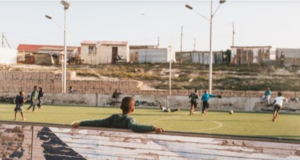 Los cambios estructurales impuestos al sistema de ayuda mundial tendrán consecuencias profundas, incluso para los actores del deporte para el desarrollo, quienes deben permanecer unidos mientras atravesamos estos tiempos difíciles.
Los recientes y rápidos recortes a la ayuda global y las consiguientes repercusiones tienen consecuencias devastadoras para el desarrollo, la diplomacia y la paz en todo el mundo.
El cambio en el panorama geopolítico mundial tras el cambio de administración en Estados Unidos a principios de este año ha obligado a todo el mundo a repensar las prioridades internas y externas, particularmente el cómo, el dónde y para qué se priorizan los fondos públicos.
Como resultado, muchos países del Norte Global/industrializados han reajustado o reducido sus programas de Asistencia Oficial para el Desarrollo (AOD), incluyendo los recursos para ayuda humanitaria. Esta no es la primera vez que se produce una reducción de este tipo, pero la velocidad y la magnitud de los cambios la convierten en la más pronunciada, dolorosa y profunda que se recuerda, por razones completamente equivocadas.
La crisis global de ayuda humanitaria
Es difícil sobreestimar el impacto de la crisis. Incluso antes de las recientes perturbaciones, los actores humanitarios y de desarrollo se enfrentaban a graves dificultades de financiación, al verse constantemente obligados a hacer más con menos. La situación actual es grave y nos preocupa profundamente a todos. Se perderán vidas y medios de subsistencia, y se revertirán los avances logrados en los últimos 30 años. Algunas de las posibles consecuencias se describen a continuación.
- Servicios de salud: La suspensión de la financiación ha interrumpido los servicios de salud en todo el mundo, incluyendo el África subsahariana, lo que ha provocado el cierre de clínicas y la interrupción de los programas de VIH y tuberculosis . Se estima que la Alianza Mundial para las Vacunas (GAVI) ha salvado la vida de 17 millones de niños en los últimos 25 años . Se prevé que la pérdida de apoyo a GAVI impedirá que 75 millones de niños reciban la vacunación sistemática en los próximos cinco años, lo que se espera que resulte en más de 1,2 millones de muertes infantiles .
- Ayuda humanitaria: Si bien algunos programas humanitarios han recibido dispensas temporales, muchos enfrentan inestabilidad financiera o su cancelación , lo que afecta los servicios en países como Sudán del Sur, Afganistán y Yemen. El Programa Mundial de Alimentos ha advertido que 58 millones de personas corren el riesgo de padecer hambre extrema o inanición debido a los recortes de financiación.
- Posibles consecuencias: Un estudio advierte que la virtual disolución de USAID y la reducción de la ayuda internacional de otros donantes podría resultar en hasta 14 millones de muertes adicionales antes del 2030, principalmente debido a enfermedades prevenibles y a la falta de acceso a servicios básicos.
¿Qué significa esto para el deporte y el desarrollo?
Esta es la pregunta que todos se hacen. Destacamos algunas de las posibles consecuencias.
1. Ya se ha causado mucho daño
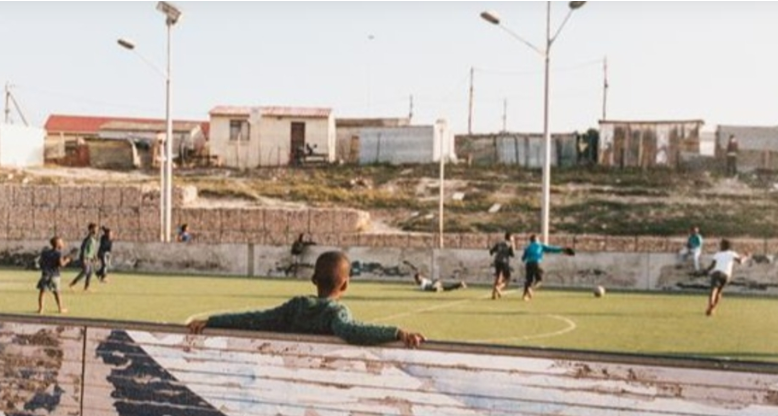
Los cambios ya han impactado profundamente a muchos actores del deporte para el desarrollo (S4D), y el pronóstico no es alentador. La importante retirada de la financiación internacional afecta directamente a muchas organizaciones que utilizan el deporte y el juego para obtener resultados humanitarios y de desarrollo.
2. Va mucho más allá del deporte.
Esto no se limita a los actores del desarrollo sostenible e incluye organizaciones dentro y fuera del deporte. Por ejemplo, muchos actores de la salud pública utilizan el deporte para promover la salud física y mental, abordar el VIH/sida y las enfermedades no transmisibles. Gran parte de su financiación internacional ha desaparecido de la noche a la mañana, con miles de personas perdiendo sus empleos y muchas otras sin acceso a servicios vitales. La Organización Mundial de la Salud (OMS), los actores deportivos de base y las organizaciones comunitarias cuentan con menos recursos para la actividad física que promueve el deporte y la salud, a pesar de la creciente pandemia de inactividad. Si bien estos ejemplos provienen del ámbito de la salud pública, esto afecta a todos los ámbitos del desarrollo.
3. Menos recursos significan menos (no más) impacto
Independientemente de la prudencia con la que se utilicen los recursos, una menor inversión se traducirá en una reducción del alcance y de resultados. Los actores humanitarios se enfrentan a graves déficits de financiación, lo que reduce significativamente su impacto en el uso del deporte para apoyar a las personas forzosamente desplazadas. Un comentario reciente de nuestros socios, la Agencia de la ONU para los Refugiados (ACNUR) y la Asociación Internacional del Deporte y la Cultura (ISCA), lo describe claramente: «Hacer menos con menos: El coste humano de los recortes en la financiación del apoyo a los refugiados».
4. Cuidado con los efectos colaterales
Además, existen graves repercusiones, cuya magnitud aún está por verse. No solo aumenta la competencia por una menor cantidad de fondos, sino que muchos donantes y receptores de ayuda tradicionales, gobiernos y actores multilaterales se enfrentan a sus propios recortes. El deporte para el desarrollo podría simplemente no considerarse una prioridad en comparación con necesidades más urgentes o inmediatas, y muchos actores podrían no sobrevivir o no poder continuar con su trabajo.
5. Más catastrófico que el COVID
En el punto álgido de la pandemia de COVID, sportanddev informó que cerca del 20% de los actores temían por su futuro . Si bien el sector S4D demostró una notable resiliencia para recuperarse de la pandemia (aunque, por supuesto, sufrió muchos daños en el proceso), la amenaza es aún mayor esta vez. Es muy improbable que la ayuda internacional, especialmente la de EE. UU., el mayor donante mundial, se restablezca a sus niveles anteriores e incluso, de ser posible, un proceso llevaría años.
¿Cuál es la postura de sportanddev?
En sportanddev estamos profundamente preocupados por la crisis actual. Exigimos que se mantenga la financiación y el apoyo al deporte para contribuir al desarrollo y la paz, especialmente en el Sur Global.
Hacemos un llamado a los actores de S4D para que se unan y demuestren unidad en este momento convulso. Exigimos una mayor coordinación entre los actores de S4D para impulsar el impacto colectivo y la incidencia compartida.
Nos mantenemos firmes contra la reacción negativa hacia la diversidad, la equidad y la inclusión. Seguiremos abordando las desigualdades y redefiniendo un sector del deporte y el desarrollo más inclusivo, accesible y equitativo, donde se escuchen más voces, incluso en múltiples idiomas y regiones.
Creemos que la crisis actual presenta desafíos y oportunidades. La retirada de financiación, sumada a la volatilidad económica mundial, implica una limitación aún mayor de recursos. La situación podría empeorar para el sector S4D y el futuro de muchos proyectos y organizaciones está en juego.
Esto refuerza la necesidad de demostrar el valor del deporte para el desarrollo y su contribución a los ODS y las prioridades humanitarias. Además, brinda la oportunidad de involucrar a nuevos actores y simpatizantes, y de crear una nueva narrativa para el sector del deporte para el desarrollo, que ha estado impulsado desde el norte durante demasiado tiempo. Ofrece un momento para que los actores del deporte para el desarrollo reflexionen sobre cómo trabajan y con quién.
Pero no nos equivoquemos: si bien pueden existir algunas oportunidades, no se puede negar la escala y el alcance devastador de esta crisis hacia el deporte para el desarrollo y, en general, el desarrollo global.
¿Qué opinas?
Agradecemos las aportaciones de nuestra comunidad global sobre este tema. Algunas preguntas orientativas incluyen:
- ¿Cómo afecta la crisis mundial de ayuda al deporte para el desarrollo? Comparte ejemplos.
- ¿Cuáles son los desafíos y las oportunidades (si las hay) para los actores que utilizan el deporte para el desarrollo?
- ¿Cómo puede o debe responder el sector del deporte para el desarrollo? ¿Qué se puede hacer?
- ¿Cómo puede sportanddev apoyar mejor a nuestra comunidad en estos momentos? ¿Qué se necesita?
- ¿Cómo deberían los actores de S4D involucrar a los actores deportivos más amplios y a aquellos fuera del deporte?
Estas preguntas son solo sugerencias. Por favor, comparta su opinión sobre el tema en: inglés | francés | español | árabe .
¿Cómo envío un artículo?
Opción 1: Utilizando el formulario web
- Regístrate como usuario de sportanddev e inicia sesión.
- Visita la página Enviar tu contenido .
- Seleccione Artículo y pegue el contenido de su artículo en el formulario web
- Vea el video de ayuda o la publicación del blog de la guía para obtener ayuda.
Opción 2: Envíe su contenido por correo electrónico
Por favor envíe su artículo o cualquier consulta que tenga a:
- John Bartmann ( john.bartmann@sportanddev.org ) para artículos en inglés
- Haneen Khatib ( haneen.khatib@sportanddev.org ) para artículos en árabe
- Claire Smagghe ( claire.smagghe@sportanddev.org ) para artículos en francés
- Carolina Agurcia ( carolina.agurcia@sportanddev.org ) para artículos en español
Pautas: Los artículos deben:
- Tener entre 500 y 1000 palabras de largo
- Incluya una foto relevante en orientación horizontal, cuyos derechos de autor le pertenezcan o que esté bajo licencia Creative Commons. Si no tiene una imagen, intentaremos encontrar una.
- Incluya una biografía de 1 a 2 oraciones del autor o los autores.
- Incluya enlaces a cualquier cuenta de redes sociales que desee asociar con la publicación.
- Incluya enlaces a cualquier sitio web que desee asociar con la publicación.
- No deben ser comunicados de prensa ni promocionales, sino más bien compartir aprendizajes para un campo más amplio.
Los formatos aceptados incluyen Microsoft Word, un enlace a Google Docs y texto sin formato en el cuerpo del correo electrónico. Incluya su nombre (y su organización, si corresponde).
Por favor, incluya una imagen de alta resolución con su envío. ¿No tiene una imagen? Visite sitios de imágenes de stock gratuitos como Unsplash o Pexels para buscar una imagen adecuada.

_______________________________________________________________________
Play Fair: Sport for Development and the Global Aid Crisis
The recent and rapid cuts to global aid and the ensuing ripple effects present devastating consequences for development, diplomacy and peace outcomes across the world.
The change in the global geopolitical landscape following the change in administration in the United States early this year, has forced a rethink across the world on both internal and external priorities and importantly how, where and for what public funds are prioritized.
As a result, many Global North/industrialized nations have realigned and/or decreased their Official Development Assistance (ODA) programmes, including resources for humanitarian aid. This is not the first time such a retrenchment has taken place, but the speed and scale of the changes make it the most pronounced, painful and profound in living memory – for all the wrong reasons.
The global aid crisis
It is hard to overestimate the impact of the crisis. Even before recent disruptions, humanitarian and development actors were facing serious funding challenges – consistently being asked to do more with less. The current situation is grave and of deep concern for all of us. Lives and livelihoods will be lost, and gains made in the last 30 years reversed. Some of the likely consequences are outlined below.
- Health Services: The suspension of funding has disrupted health services across the globe, including in sub-Saharan Africa, leading to the closure of clinics and the cessation of HIV and TB programs. The Global Vaccine Alliance (GAVI) is estimated to have saved the lives of 17 million children over the last 25 years. The loss of support to Gavi is projected to deny 75 million children routine vaccinations in the next five years, which is expected to result in more than 1.2 million child fatalities as a result.
- Humanitarian Aid: While some humanitarian programmes have received temporary waivers, many face funding instability or termination, affecting services in countries like South Sudan, Afghanistan, and Yemen. The World Food Programme has warned that 58-million people are at risk of extreme hunger or starvation due to funding cuts.
- Potential Consequences: A study warns that the virtual dissolution of USAID and the reduction in international aid from other donors could result in up to 14 million additional deaths by 2030, primarily due to preventable diseases and lack of access to basic services.
What does this mean for sport and development?
This is the question on everyone’s lips. We highlight some of the likely consequences.
1. Much damage is already done
The changes have already impacted many sport for development (S4D) actors profoundly – and the prognosis does not look good. The significant withdrawal of international funding directly affects many organisations using sport and play for humanitarian and development outcomes.
2. It goes way beyond sport
This is not limited to S4D actors and includes organisations in and beyond sport. For example, many public health actors use sport to promote physical and mental health, address HIV/AIDS and non-communicable diseases. Much of their international funding has disappeared overnight with thousands losing their jobs and many other people can no longer access lifesaving services. The World Health Organisation (WHO), grassroots sports actors and community-based organisations have fewer resources for sport and health enhancing physical activity despite a growing inactivity pandemic. While these examples are from public health, this affects all development areas.
3. Less resources means less (not more) impact
No matter how wisely resources are used, less investment will result in decreased reach and results. Humanitarian actors face severe funding shortfalls, significantly reducing their impact in using sport to support the forcibly displaced. A recent commentary by our partners, the UN Refugee Agency (UNHCR) and The International Sport and Culture Association (ISCA) outlines this clearly: Doing Less with Less: The Human Cost of Funding Cuts for Refugee Support.
4. Beware the knock-on effects
Further, there are serious knock-on effects, the scale of which remain to be seen. Not only is there increased competition for a smaller pot of funding but many traditional donor and aid recipients, governments and multilateral actors are facing their own cuts. Sport for development may simply not be seen as a priority compared to more urgent or immediate needs – and many players may not survive and/or be able to continue their work.
5. More catastrophic than COVID
At the height of the COVID pandemic, sportanddev reported that about 20% of actors feared for their future. While the S4D sector showed remarkable resilience to recover from the pandemic (though of course there was much damage along the way), the threat is even greater this time. The likelihood of international aid, especially from the USA, the world’s largest donor, being restored to its former levels is highly unlikely and even, if possible, a process would take years.
What is sportanddev’s stance?
At sportanddev we are gravely concerned about the current crisis. We call for continued funding and support for sport to contribute to development and peace, especially in the Global South.
We call for S4D actors to stand together and show unity at this tumultuous time. We call for increased coordination among S4D actors to advance collective impact and shared advocacy.
We stand firm against the backlash towards diversity, equity and inclusion. We will continue to address inequities and (re)shape a more inclusive, accessible, and equitable sport and development sector – where more voices are heard, including in multiple languages and regions.
We believe that the current crisis presents challenges and opportunities. The withdrawal of funding coupled with global economic volatility means even more limited resources. Things may well get worse for the S4D sector and the future of many projects and organisations is at stake.
This reinforces the necessity to evidence the value of sport in development and in contributing to the SDGs and humanitarian priorities. It also provides an opening to engage new actors and supporters – and to write a new narrative for the S4D sector which has been north-driven for too long. It offers a moment for S4D actors to reflect on the way they work and with whom.
But make no mistake – while some opportunities may exist, there can be no denying the devastating scale and scope of this crisis for S4D and global development.
Lisez cet appel à articles en français.
Lea esta convocatoria de artículos en español.
اقرأ النسخة العربية: دعوة لتقديم المقالات.
What do you think?
We welcome input from our global community on this topic. Some guiding questions include:
- How does the global aid crisis affect sport for development? Feel free to share examples.
- What are the challenges and opportunities (if any) for actors using sport for development?
- How can or should the sport for development sector respond? What can be done?
- How can sportanddev best support our community at this time? What is needed?
- How should S4D actors engage broader sports actors and those outside of sport?
These questions are just suggestions. Please share your views on the broader topic in: English | French | Spanish | Arabic.
How do I submit an article?
Option 1: Using the webform
- Register as a sportanddev user and log in.
- Visit the Submit your Content page.
- Select Article and paste your article content into the webform
- View the help video or guide blog post for help.
Option 2: Submit your content via email
Please submit your article or any queries you have to:
- John Bartmann (john.bartmann@sportanddev.org) for articles in English
- Haneen Khatib (haneen.khatib@sportanddev.org) for articles in Arabic
- Claire Smagghe (claire.smagghe@sportanddev.org) for articles in French
- Carolina Agurcia (carolina.agurcia@sportanddev.org) for articles in Spanish
Guidelines: Articles should:
- Be 500-1,000 words long
- Include a relevant photo in landscape (horizontal) orientation, for which you own the copyright, or is under creative commons licence. If you do not have a picture, we will attempt to source one
- Include a 1-2 sentence biography of the author(s)
- Include links to any social media accounts you would like associated with the post
- Include links to any websites you would like associated with the post
- Not be promotional or press releases but rather share learning for the broader field
Accepted formats include Microsoft Word, a link to Google Docs and plain text in the body of the email. Please include your name (and organisation if applicable).
Please include a hi-res image with your submission. Don’t have an image? Visit free stock image sites like Unsplash or Pexels to search for an appropriate image.